ENG: In 2025 I am going to start a new interview series called 3preguntas@, in which I ask bamboo musicians and scholars to answer three questions related to their works and the world of the Musical Bamboos of the Bolivian Andes and beyond. I am delighted to have the first session with Gérard Borras, who is Emeritus Professor of the Universidad Rennes 2 in France. Between 2012 and 2016 Gérard has been the director of the Instituto Francés de Estudios Andinos in Lima. He did his doctoral research on tupu measusing sticks from Walata Grande in the 1990s.
(1) Regarding your study of tupus from Walata Grande in the 1990s, what is your assessment of the natural materials used in the Andean flute making from your perspective of a material culture of musical instruments?
The materials are fundamental because, without them, artisanal production disappears. Therefore, there is a constant concern about obtaining sufficient quantities of good quality. As far as I know, there are no more caravans, making this market very important, as artisans no longer have the opportunity to choose the materials themselves in situ. One topic I remember very well is the great concern that could arise from the scarcity or disappearance of a type of cane. At the end of the 90s, the luriris were worried about the disappearance of the chhalla de Zongo, a highly valued bamboo for making sikus. It was also difficult for tarqa makers to obtain mara wood (mahogany) at an affordable price, as its cost skyrocketed. Not to mention tarko wood, which was scarce and much more expensive than mara.
(2) Have you been able to visit the production sites, and what were your impressions?
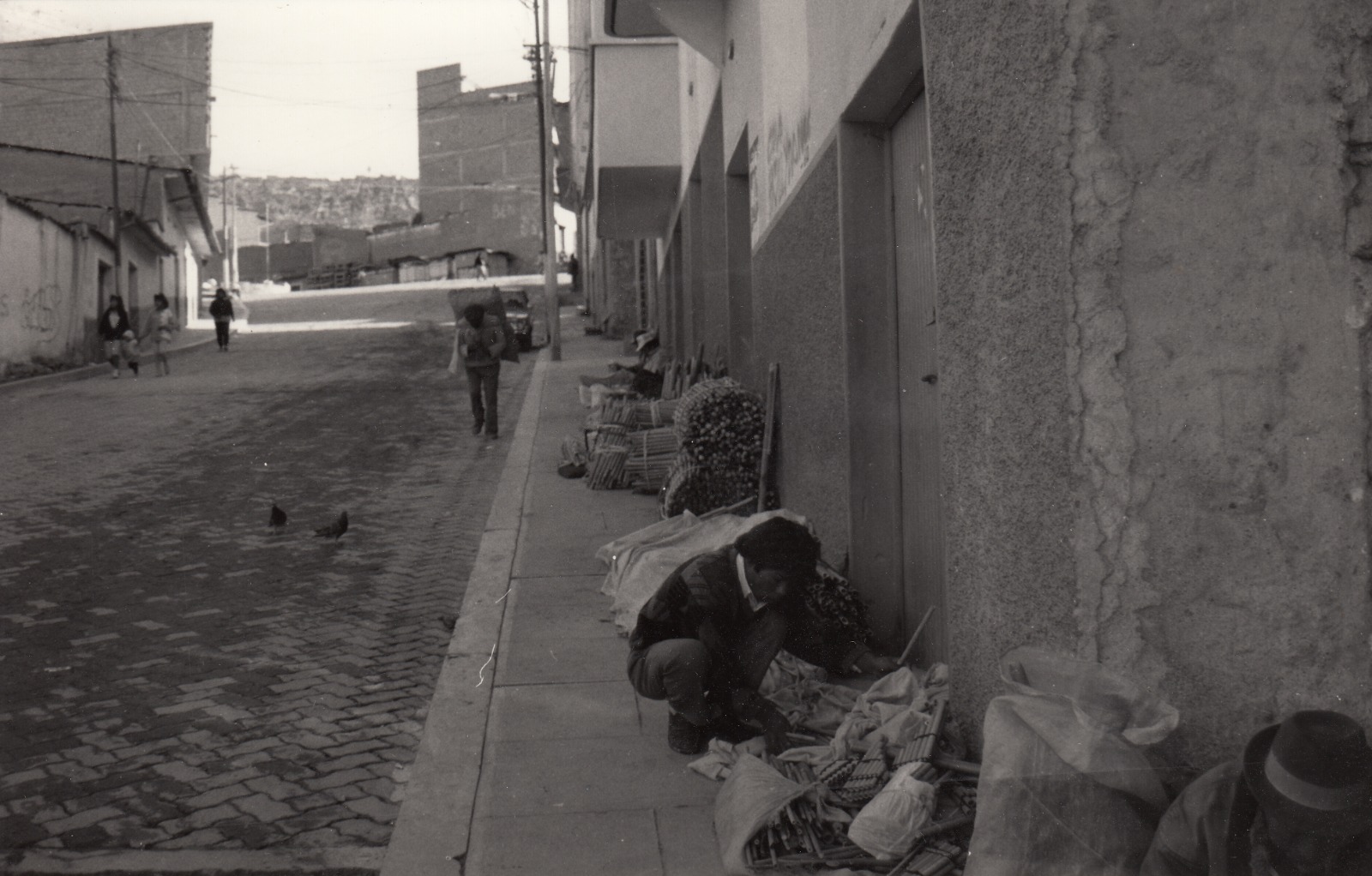
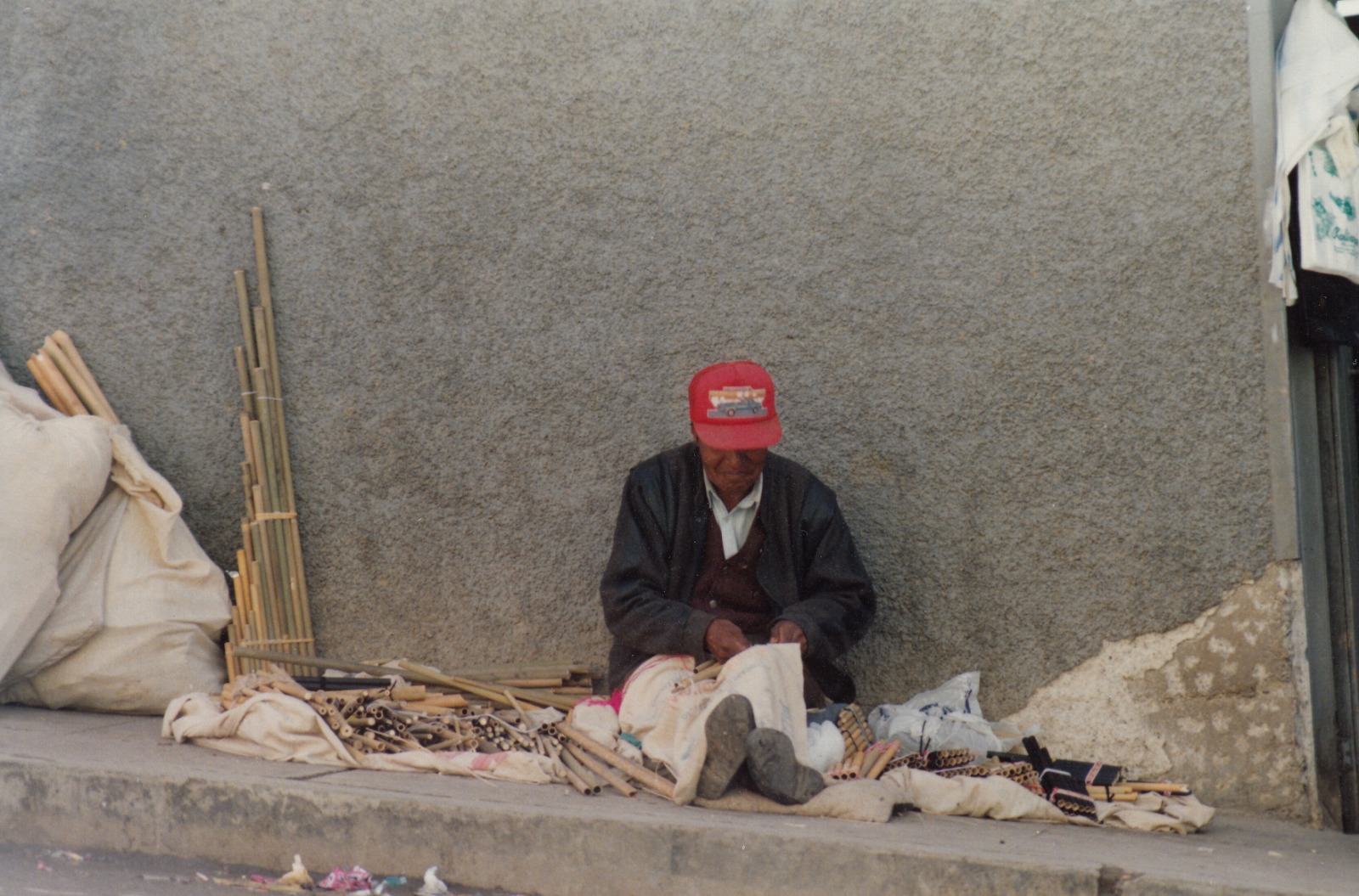
I have not reached any production site. My stays were too brief to plan a trip. However, I listened to plenty of testimonies from the luriris about the trips they made to venture into the woods and harvest the materials for their activities. The topic of materials, their quality, origin, and characteristics is constant in dialogues with the artisans. From discussions about the origin of the Walata Grande community to the most contemporary times, luriris always talk about materials. These are actually very diverse: there is clay from the origins for making small sound amulets, then a great variety of canes or bamboos, and also wood for the tarkas. The impressive variety and the topic of supply and conservation always come up in conversations. This same dialogue is common with the artisans’ clients to determine what type of bamboo will be used, especially in the case of chhallas for the sikus. But there is also much discussion about the type of tuquru bamboo in the case of other aerophones, like qinas, pinkillus, musiñus, or phalas. This dialogue between artisan and client involves several details, such as the diameter, for example. This is a very important topic that clients frecuently comment on, as well as the texture of the tuqurus, which would determine their quality. During my stays in Walata Grande, and also around Juan Granier Street, I gathered much information about the expeditions made by the artisans of Walata Grande. Befre there was a market of traders and intermediaries, the artisans traveled to the lowlands with caravans of mules and negotiated directly with the landowners the possibility of harvesting musical bamboos. They always remembered these expeditions as sacrificial and dangerous because of the weather, snakes, and the greatly feared jucumari bears.
(3) What do you think about the transition from caravans to an informal market of intermediaries?
Actually, I think that the caravans and the market of intermediaries coexisted partially in parallel. I don’t know exactly when the caravans ended, but I think that by the 1970s, they had already started to decline when traders saw a significant economic opportunity in the booming artisanal market. The Walata Grande cooperative was producing impressive quantities for the international market…

ESP: En 2025 voy a comenzar una nueva serie de entrevistas llamada 3preguntas@, en la que pediré a músicos y académicos de bambú que respondan tres preguntas relacionadas con sus obras y el mundo de los Bambúes Musicales de los Andes Bolivianos. Estoy encantado de tener la primera sesión con Gérard Borras, quien es Profesor Emérito de la Universidad Rennes 2 en Francia. Entre 2012 y 2016, Gérard fue el director del Instituto Francés de Estudios Andinos en Lima. Realizó su investigación doctoral sobre los tupus de Walata Grande en la década de 1990.
(1) Con relación a tu estudio de tupus de Walata Grande en los años 1990s, ¿cuál es tu lectura respecto a los materiales naturales usados en la construcción de aerófonos andinos desde tu enfoque de una cultura material de los instrumentos musicales
Los materiales son fundamentales, ya que sin ellos desaparece la producción artesanal. Existe, por lo tanto, una preocupación constante por conseguir cantidades suficientes y de buena calidad. Ya no existen caravanas, que yo sepa, por lo que este mercado es muy importante, dado que los artesanos ya no tienen la posibilidad de escoger ellos mismos los materiales in situ. Uno de los temas que recuerdo muy bien es la gran preocupación que podía provocar la escasez o desaparición de un tipo de caña. A finales de la década de los 90, los luriri se quejaban mucho de la desaparición de la chhalla de Zongo, una caña muy preciada para la fabricación de los sikus. También era difícil para los tarkeros conseguir madera de mara a un precio accesible, ya que su costo se disparaba. Ni qué decir de la madera de tarko, que era escasa y mucho más cara que la mara.
(2) ¿Has podido ir a los lugares de producción y cuáles eran tus impresiones?
No he llegado a ningún lugar de producción. Mis estancias eran demasiado breves para planificar un viaje. Sin embargo, no faltaron testimonios de los luriris sobre los viajes que hacían para adentrarse en el monte y cosechar el material para sus actividades. El tema del material, su calidad, su origen y sus características es constante en el diálogo con los artesanos. Desde las charlas sobre el origen de la comunidad de Walata Grande hasta las épocas más contemporáneas, siempre se habla de los materiales. Estos son muy diversos en realidad: está el barro de los orígenes para fabricar pequeños amuletos sonoros, luego la gran variedad de cañas o bambúes, y también las maderas para las tarkas. La impresionante variedad y el tema del abastecimiento y la conservación siempre aparecen en las conversaciones. Este mismo diálogo es frecuente con los clientes de los artesanos para determinar qué tipo de bambú se va a usar, sobre todo en el caso de las chhallas para los sikus. Pero también se discute bastante el tipo de caña o del bambú tuquru en el caso de otros aerófonos, como las qinas, los pinkillus, los musiñus o las phalas. Este diálogo con el artesano y sus clientes concierne varios detalles: el diámetro, por ejemplo. Este es un tema muy importante que los clientes comentan muchas veces, pero también la textura de los tuqurus que determinarían su calidad. Mis estadías en Walata Grande pero también en la calle Juan Granier recogí muchas informaciones sobre las expediciones que hacían los artesanos de Walata Grande. Antes que existiera un mercado de comerciantes e intermediadores, los artesanos viajaban a las tierras bajas con caravanas de burro o de mula y negociaban directamente con los dueños del lugar la posibilidad de cosechar los bambúes. Siempre recordaban estas expediciones como algo sacrificado, peligroso, por el clima, las víboras y los osos jucumaris muy temidos.
(3) ¿Qué piensas cuando se dio el cambio de las caravanas a un mercado informal de intermediación?
En realidad, creo que las caravanas y el mercado de intermediación coexistieron en parte de forma paralela. No sé exactamente cuándo terminaron las caravanas, pero pienso que en los años 70 ya empezaron a disminuir, cuando los comerciantes vieron en el auge del mercado artesanal una oportunidad económica significativa. La cooperativa de Walata Grande fabricaba cantidades impresionantes para el mercado internacional…
 The Musical Bamboos of the Bolivian Andes